
Platinum versus White Gold
Platinum vs White Gold — Quick Answer
Platinum is denser, more durable, and hypoallergenic, while white gold is lighter, more affordable, and requires occasional rhodium plating.
Key Facts
• Platinum retains its color naturally and won’t fade.
• White gold is mixed with other metals and often plated.
• Platinum is heavier and more expensive per gram.
• White gold can scratch more easily than platinum.
What You Will Learn
• The durability differences between platinum and white gold.
• How costs compare for engagement rings in South Africa.
• Which metal is best for daily wear and long-term use.
Definition: Platinum and White Gold
Platinum is a naturally white, heavy metal; white gold is gold mixed with other metals and plated.
Mini FAQ
Q: Does white gold turn yellow over time?
A: It may show a slight yellow tint as the plating wears off.
Q: Is platinum hypoallergenic?
A: Yes, platinum is naturally hypoallergenic and safe for sensitive skin.
Q: Which lasts longer, platinum or white gold?
A: Platinum lasts longer and resists wear better than white gold.
Platinum versus White Gold? The age old question…
For those who love the allure of silvery white precious metals, the debate usually comes down to platinum vs. white gold.
While these two metals may appear identical when they are brand new, there are some important distinctions to consider when choosing between them. These two metals have different characteristics when it comes to durability, allergies, maintenance, and price.
Read on to learn the differences between platinum and white gold, weigh the pros and cons, and choose the best option for your engagement ring or other jewellery.
Platinum vs White Gold: The Timeless Debate
Congratulations, you’ve chosen a stunning engagement ring or piece of custom jewellery , now for the final touch: selecting the perfect metal.
The sleek, silvery tones of white gold and platinum are both enduring favourites, but each brings its own personality, performance, and beauty to your design.
Just like choosing between flat white or cappuccino, there’s no wrong answer – simply what suits you best.
Platinum vs White Gold: Which Metal Is Right for Your Ring?
When you’ve found the perfect centre stone, the next big decision is the metal. For many of our clients at Moissanite By Design, the choice comes down to two timeless favourites: platinum and white gold.
Both are beautiful, durable and perfectly suited to fine jewellery, from delicate engagement rings to everyday wedding rings. The difference lies in how they look, feel and wear over time, and which one best matches your lifestyle and personal style.
Platinum vs White Gold: The Timeless Debate
Understanding the Metals
When comparing metals, we look at two key qualities:
- Hardness – how resistant it is to scratches and everyday wear
- Malleability – how easily it can be shaped or bent without breaking
These differences influence everything from durability to the final look and feel of your jewellery.
White Gold
At Moissanite By Design, we use 18 karat white gold – a blend of 75% pure gold and 25% white metal alloys such as palladium or silver. Because gold in its natural state is soft and yellow, these alloys not only strengthen it but also transform its colour into a beautiful, soft white tone.
To achieve that bright, mirror-like finish, white gold is plated with rhodium, a rare and precious metal known for its reflective brilliance. This extra layer enhances both durability and shine, giving your piece that crisp, luminous glow we all love.
In short: White gold offers strength, brightness, and a refined, modern aesthetic – with maintenance that’s simple and affordable over time.
Platinum
Platinum is a naturally white metal, prized for its density, purity, and luxury feel. It’s typically used in a composition of 95% platinum and 5% alloys, making it one of the purest metals in fine jewellery.
Although platinum is softer than white gold (meaning it can show surface marks more easily), its density makes it less likely to bend or distort over time – keeping your moissanite or lab grown diamond securely in place. This also makes it slightly heavier, giving platinum pieces a solid, premium feel.
Because it’s more challenging to work with, platinum requires additional time and material to craft, which contributes to its higher price point.
In short: Platinum is naturally white, strong, and enduring – the ultimate symbol of lasting luxury.
Aesthetics & Maintenance
At a glance, white gold and platinum can appear nearly identical, but their subtle undertones set them apart.
- White gold has a bright, crisp white finish thanks to rhodium plating.
- Platinum carries a soft white-grey hue, often described as slightly cooler or more understated.
Over time, the rhodium plating on white gold will gradually wear, revealing a warmer tone underneath. A quick re-plating every 1-3 years restores its original shine, a simple, cost-effective process. Platinum, on the other hand, develops a natural “patina” that some adore for its vintage charm; a professional polish can easily restore its high shine if preferred.
The Verdict
Both platinum and white gold are exceptional choices, the decision comes down to your style, lifestyle, and priorities.
| Feature | White Gold | Platinum |
|---|---|---|
| Colour | Bright, reflective white | Naturally white with a soft grey tone |
| Durability | Harder surface, may require re-plating | Denser, holds gemstones securely |
| Weight | Light and comfortable | Heavier, luxurious feel |
| Maintenance | Occasional rhodium re-plating | Occasional polishing |
| Cost | More affordable | Higher initial investment |
Our take: Choose white gold for its radiant brightness and versatility. Choose platinum for its purity, weight, and heirloom quality.
How Platinum and White Gold Behave
Platinum and white gold may appear similar at first glance, but they have distinct personalities.
Platinum is a naturally white, dense and luxurious metal. It’s typically 95% pure, which makes it hypoallergenic and ideal for clients with sensitive skin. Its weight gives it a substantial, “heirloom” feel – perfect if you love the idea of a ring that feels truly special and enduring.
18k white gold is made from pure gold alloyed with white metals, then finished with rhodium plating for that bright, crisp white shine. It’s slightly lighter on the hand and allows for very fine, delicate detailing – ideal for intricate custom engagement rings and airy, refined designs.
Both are excellent choices for settings that hold your centre stone securely, whether you choose one of our sparkling moissanite engagement rings or one of our modern lab grown diamond engagement rings.
Look, Feel and Long-Term Wear
Even though platinum and white gold are both “white” metals, their appearance and ageing are subtly different:
White gold:
- Starts out with a brilliant, bright white finish thanks to rhodium plating.
- Over time, the rhodium layer naturally wears, and the underlying gold may show a slightly warmer tone.
- A quick re-plating every so often brings it back to a “just-made” shine.
- Its lighter feel makes it a popular choice for everyday engagement rings and wedding rings.
Platinum:
- Is naturally white with a soft, cool undertone – often described as slightly grey-white.
- It doesn’t need plating and will stay white, but can develop a gentle patina that many people love for its timeless, lived-in character.
- It’s denser and less prone to bending, which is particularly reassuring for fine claws in moissanite engagement rings and lab grown diamond engagement rings.
If you prefer a bright, high-impact sparkle and a crisp frame around your stone, 18k white gold is often the favourite. If you lean towards a softer, luxurious white that feels substantial and classic, platinum may be your perfect match.
Matching the Metal to Your Ring Style
The “right” metal isn’t just about technical details, it’s also about the kind of ring you’re creating.
For classic solitaires and timeless engagement rings:
Both platinum and white gold work beautifully. Platinum enhances the “forever” feel of a design, while white gold offers a clean, modern look with incredible brightness.For paired wedding ring sets and wedding rings:
Many couples like to keep metals consistent between their engagement rings and wedding rings for a cohesive look and similar wear over time. Others intentionally mix metals for contrast and personality.For detailed or bespoke designs:
If you’re dreaming of intricate settings, fine filigree or unique details, 18k white gold is often preferred for its ability to be crafted into very delicate forms. This makes it a popular choice for our custom engagement rings and signature design work.For high-security stone settings:
For larger centre stones in moissanite engagement rings or lab grown diamond engagement rings, platinum’s density and strength give extra peace of mind, especially in slim, elegant claws.
Choosing What’s Right for You
When deciding between platinum and white gold, it can help to ask yourself:
How do I want my ring to feel?
Light and easy for everyday wear (white gold), or weighty and substantial (platinum)?What look do I love most?
A bright, mirror-like white (white gold), or a soft, natural white that ages gracefully (platinum)?How do I wear my jewellery?
If you’re very active with your hands, platinum’s resistance to bending can be reassuring for fine settings. If you’re happy to do occasional maintenance, white gold’s rhodium re-plating keeps it looking brand new.
Whichever metal you choose, both are beautiful, enduring options for:
- Classic engagement rings
- Symbolic wedding rings
- One-of-a-kind custom engagement rings
- Radiant moissanite engagement rings
- Modern, ethical lab grown diamond engagement rings and lab grown diamond wedding rings
At Moissanite By Design, we can guide you through platinum and white gold options, so you can decide which metal looks with your chosen stone and design.
Platinum vs White Gold - Frequently Asked Questions
Choosing between platinum and white gold is a beautiful decision to make, but it can also raise a lot of questions. Below, we’ve answered the most common questions our clients ask when designing their moissanite engagement rings and fine jewellery.
1. Which is better for an engagement ring – platinum or white gold?
There isn’t a single “best” metal – it depends on your lifestyle and preferences. Platinum is naturally white, dense and very secure for gemstone settings, making it ideal for heirloom-style engagement rings. 18k white gold is bright, refined and more affordable, while still being durable enough for everyday wear.
2. Is platinum more durable than white gold?
Both metals are excellent for fine jewellery, but they behave differently. Platinum is denser and less likely to bend, helping to keep moissanite and gemstones securely in place. 18k white gold has a harder surface, so it can show fewer scratches at first, but it can still bend under heavy pressure.
3. Will white gold or platinum look whiter next to my moissanite?
18k white gold often looks brighter and more “crisp white” initially because of its rhodium plating, which beautifully complements the brilliance of moissanite. Platinum is naturally white with a subtle grey-blue undertone that gives a softer, more understated contrast. Both metals look stunning with moissanite – it comes down to whether you prefer a bright white or a softer white tone.
4. How often does white gold need to be re-plated?
For rings worn every day, white gold typically needs rhodium re-plating every 12 to 24 months, depending on your lifestyle and how “fresh” you like your jewellery to look. Earrings and pendants may need re-plating less often because they experience less wear.
5. Does platinum require any maintenance?
Platinum does not need to be re-plated because it is naturally white. Over time, it may develop a soft patina, which many people love for its vintage feel. If you prefer a high-gloss finish, a professional clean and polish will restore its original shine.
6. Which metal is better for sensitive skin?
Platinum is often recommended for very sensitive skin because it is usually 95% pure and naturally hypoallergenic. 18k white gold is also suitable for most people, especially when alloyed with palladium, but if you have known metal sensitivities, platinum offers extra peace of mind.
7. Will my platinum or white gold ring change colour over time?
Platinum stays white but can develop a soft, satiny patina over time. It does not turn yellow. 18k white gold is plated with rhodium, and over time this plating can wear away, revealing a slightly warmer tone underneath. Re-plating restores that bright white finish.
8. What’s the price difference between platinum and white gold?
Platinum is generally more expensive than 18k white gold because it is denser, rarer and requires more time and skill to work with. 18k white gold offers a more accessible price point while still feeling luxurious, durable and perfect for fine jewellery.
9. Is platinum heavier to wear than white gold?
Yes. Platinum is denser, so the same ring design will feel heavier on the hand compared to 18k white gold. Some people love the weighty, luxurious feel of platinum, while others prefer the light, everyday comfort of white gold.
10. Which is better for very fine or delicate designs?
For ultra-fine, intricate or delicate designs, 18k white gold is often preferred because its hardness and lower density allow for very slim claws, delicate details and light-feeling rings. Platinum can also be used for fine designs but may appear slightly more substantial due to its density and natural undertone.
11. Is it easier to resize platinum or white gold rings?
18k white gold is generally easier and more cost-effective to resize. Platinum can absolutely be resized, but it requires more specialised tools and expertise, making it a little more involved. If you expect to resize your ring in the future, white gold can be a very practical choice.
12. Can I mix platinum and white gold in the same ring stack?
Yes, you can mix platinum and white gold in a stack. Many clients love combining metals for contrast and interest. Because platinum is denser, it can be a little tougher on softer metals over many years, so it is best to design your stack intentionally so the rings complement each other in both style and wear.
13. Which metal pairs best with moissanite?
Both platinum and white gold pair beautifully with moissanite. Choose platinum if you love a refined, timeless look with a cool, sophisticated contrast. Choose white gold if you prefer a bright, high-impact sparkle with a crisp white frame around your stone. Either way, moissanite’s brilliance will stand out.
14. How do I decide which metal is right for me?
Start by thinking about how you wear your jewellery day to day, whether you prefer a light or weighty feel, and what look you love most: bright white or softly white. Your budget, skin sensitivity and whether you want low-maintenance or don’t mind occasional re-plating also matter. If you are still unsure, our Moissanite By Design team can guide you through platinum and white gold options to find the perfect match for your ring.
Our Best Selling Engagement Rings
-

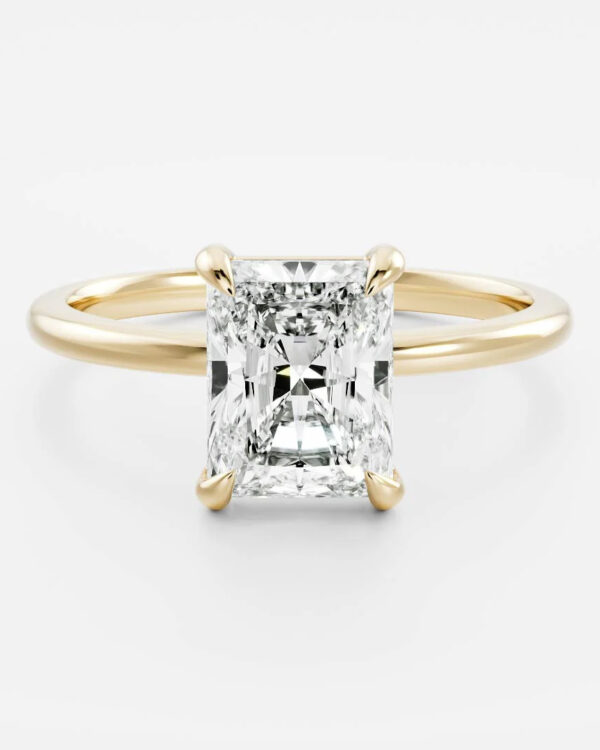
Radiant Solitaire Lab Diamond Engagement Ring
R22,850.00 Select options This product has multiple variants. The options may be chosen on the product pageAdd to WishlistAdd to Wishlist -
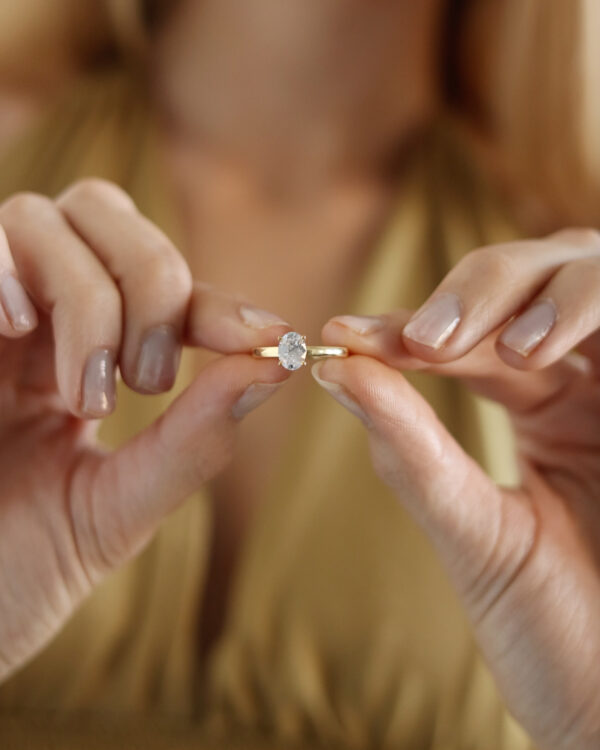
1.04ct Oval Lab Grown Diamond Solitaire Engagement Ring
R19,995.00 Select options This product has multiple variants. The options may be chosen on the product pageAdd to WishlistAdd to Wishlist -
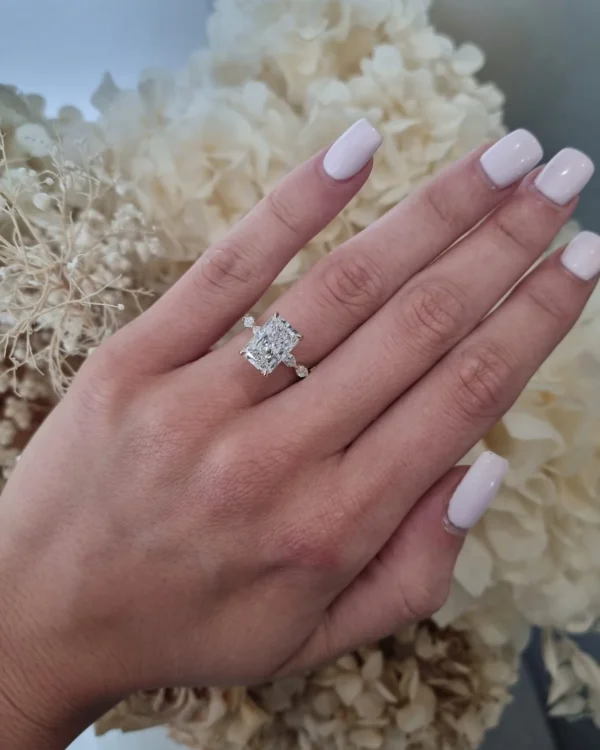
3ct Radiant Cut Lab Grown Diamond Engagement Ring
R38,920.00 Select options This product has multiple variants. The options may be chosen on the product pageAdd to WishlistAdd to Wishlist -
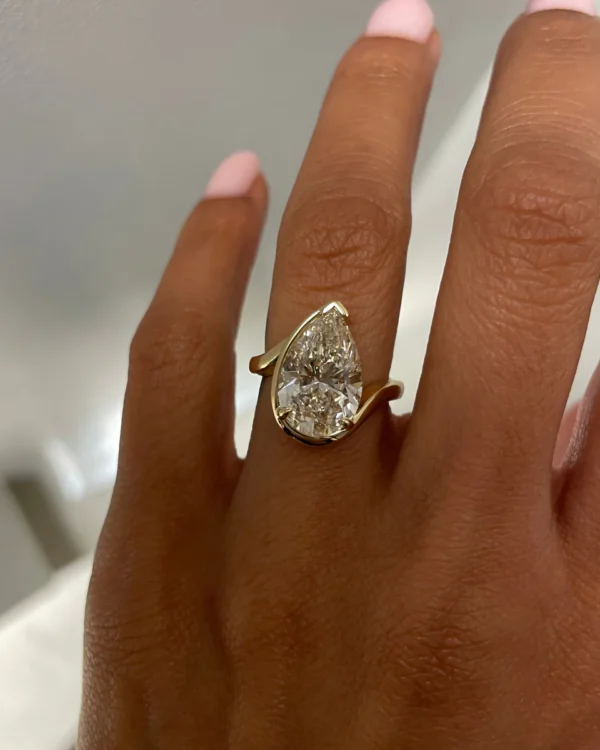
6ct Half Bezel Pear Lab Grown Diamond Engagement Ring
R45,980.00 Select options This product has multiple variants. The options may be chosen on the product pageAdd to WishlistAdd to Wishlist -
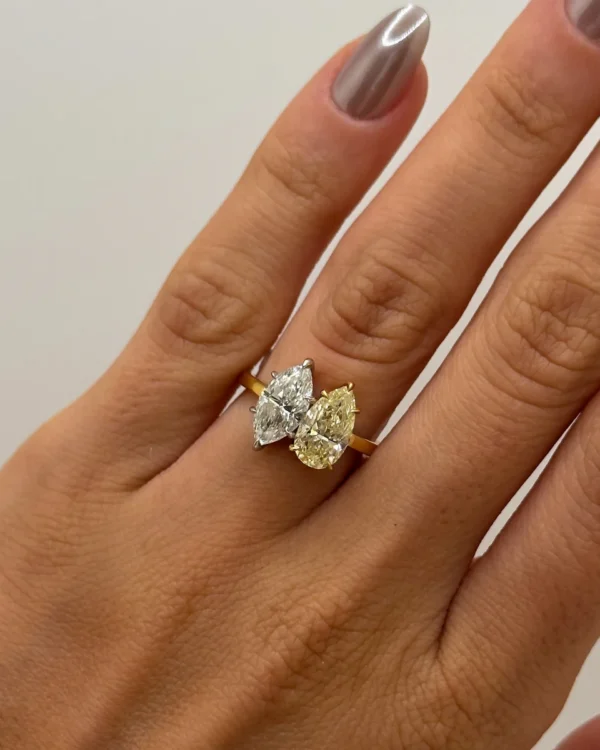
Pear And Marquise Lab Diamond Toi et Moi Engagement Ring
R45,980.00 Select options This product has multiple variants. The options may be chosen on the product pageAdd to WishlistAdd to Wishlist -
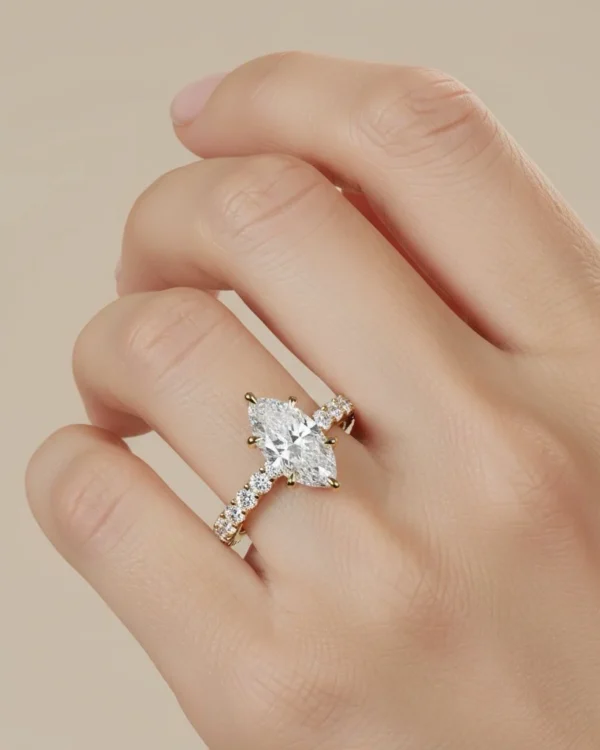
Marquise Cut Pave Lab Diamond Engagement Ring
R38,920.00 Select options This product has multiple variants. The options may be chosen on the product pageAdd to WishlistAdd to Wishlist
Interested in a custom design? Let’s create something beautiful together.
Engagement Rings South Africa
In the Hands of Love, As Worn by Our Clients
Discover the beauty of our jewellery in the moments it was made for. From custom engagement rings and wedding bands to bespoke fine jewellery, every piece is handcrafted in South Africa and worn with love by our clients. Let these creations inspire your own design and show you what is possible when craftsmanship meets personal meaning.
The Sparkle Continues Here
Follow along on our Instagram channel for fresh designs, behind-the-scenes moments and endless inspiration.
